
This is a blog post I put together for a security awareness program. Feel free to grab for your own internal program.
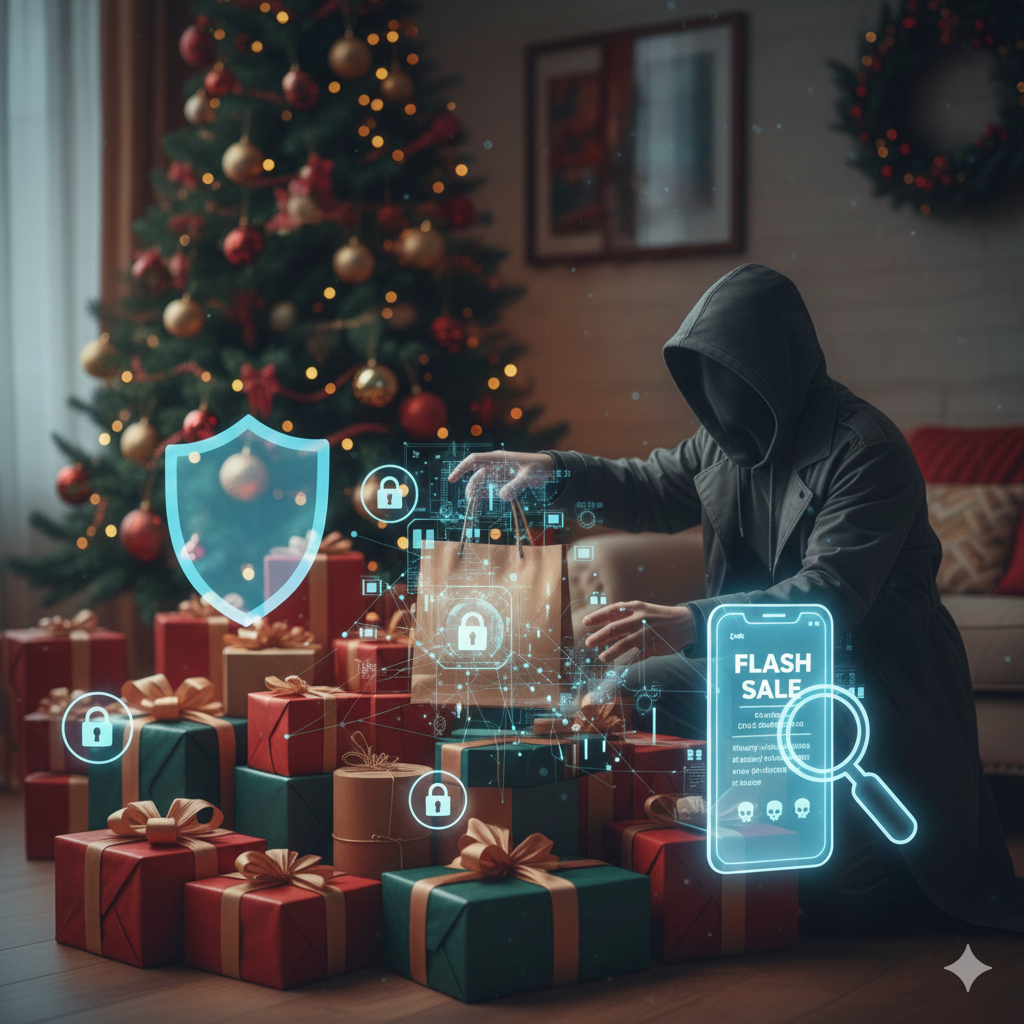
The holiday season is a time for giving, celebration, and searching for the perfect deal. Unfortunately, it's also Scam Season—a time when cybercriminals ramp up their attacks, using urgency, emotional pressure, and tempting offers to steal your money and your identity.
From fake gift card surveys to cloned travel sites, staying aware is the best gift you can give your financial security. Here is your essential guide to recognizing the biggest threats and protecting yourself.
The Lure of the 'Free' Gift Card (The Survey Scam)
You've probably seen the message: a bright, urgent notification claiming you've been selected to receive a massive $750 or $1,000 gift card from a major retailer like Walmart. All you have to do is answer a quick survey.
What's Really Happening? This is rarely about a prize. These are sophisticated lead-generation and data-harvesting scams disguised as promotions.
Data Harvesting: As you move through the "survey," you are asked for valuable details: your name, email, phone number, address, and even personal interests.
The Hidden Cost: The promised gift card never materializes. Instead, your personal information is sold to advertisers, data brokers, and other malicious parties. This fuels targeted spam, phishing emails, and more convincing scams down the line, as criminals can now personalize their attack using real information about you.
The Hook: These scams rely on powerful psychological triggers—the sense of luck, the promise of low effort, and the false credibility lent by using official branding.
The Urgency of Fake Deals and Cloned Websites
During high-shopping seasons, scammers leverage our desire for a bargain and a great getaway.
Fake Retail Ads
Scammers run professional-looking advertisements, promoting "limited-time sales" or offering extreme discounts.
The Trap: You are taken to a website that is a near-perfect clone of a real retailer to steal your payment information. The item you paid for will never arrive.
Red Flag: Always check the URL. Scammers often use slightly altered web addresses. If the price seems too good to be true, it is.
Phony Holiday Rentals
A great last-minute travel deal can be a front for identity theft.
The Trap: Scammers clone real rental listings and pressure you to communicate and pay outside of the trusted rental platform, often demanding sensitive documents like photos of your ID or credit card upfront.
Red Flag: Legitimate platforms want you to stay within their system for security. Never send copies of personal documents via private email or text.
The Gift Card Trap (The Emergency Text/Call)
One of the most devastating scams uses your love and concern for family to drain your bank account.
The Scenario: You receive an unexpected text or call—sometimes even using an AI-faked voice—from someone claiming to be a friend or family member who is in an "emergency" (e.g., wallet stolen, car trouble).
The Ask: They claim that because they can't use their bank or credit cards, they urgently need you to buy a specific type of gift card and send them the numbers and PIN codes.
The Reality: Gift cards are untraceable currency for criminals. Once the code is shared, the money is gone. Scammers often use emotional pressure and timing to cloud your judgment.
The Impersonated Authority Figure
This scam targets your professionalism or loyalty by having the criminal impersonate a boss, CEO, pastor, or group leader.
The Scenario: You receive a text message (often using the person's real name and sometimes even a real profile photo) saying they are busy in a meeting or traveling and need you to handle an urgent task: purchasing a large number of gift cards (like Apple or Amazon) to give to staff, clients, or group members immediately.
The Ask: They promise to reimburse you later and ask you to text the photos of the card codes to them immediately.
The Red Flag: No legitimate organization, especially during business hours, will ask an employee to use personal funds to buy untraceable gift cards for a professional or organizational expense. This is a classic scam designed to exploit your willingness to help a superior.
The "Unexpected Prize" or "Account Issue" Text
These texts are designed to get you to click on a link.
The Setup: A text says, "Congratulations! You've won a $100 [Major Retailer Name] Gift Card! Click here to claim it," or claims there's an issue with a recent gift card purchase you need to verify.
The Steal: The link takes you to a fake website that steals your personal data (name, address) or your financial details under the pretense of "claiming the prize."
Always Remember: If a text promises a prize or demands urgent action regarding a gift card you didn't purchase, it is a scam. Never click on a link in an unsolicited text message.
The Golden Rule: Gift Cards are for Presents, Not Payments
No legitimate business, government agency, or reputable person will ever demand payment or request verification information in the form of a gift card for an emergency, a debt, or a prize.
Your 5-Step Security Checklist
Recognizing these scams is the best defense. Follow this checklist to stay safe:
Verify Unexpected Requests: If a friend, family member, or especially a superior/authority figure texts with an urgent financial request, always verify it independently. Call them back using a known, trusted number, or email them via their official work email address. Do not reply to the suspicious text message.
Inspect the URL: Before entering personal or payment information on any site, check the website address (URL) in the browser bar. Look for misspellings or domains that don't match the company's official name.
Be Wary of "Free": Be highly suspicious of unsolicited messages promising huge, easy rewards for low effort. Never click on links in unexpected text messages or emails claiming you've won a prize.
Use Official Channels: Only communicate and pay through the official, verified channels of banks, retailers, and booking platforms.
Listen to Your Gut: Scammers use urgency to cloud your judgment. If an offer, deal, or emergency scenario causes anxiety or forces you to act immediately, take a deep breath and step away. When in doubt, close the tab.
Stay aware and enjoy a secure, scam-free holiday season!