• Explore
  • Blog
  • Podcast
  • Community
  • About
  • Services
  • Contact
Menu

Exploring Information Security

Securing the Future - A Journey into Cybersecurity Exploration
  • Explore
  • Blog
  • Podcast
  • Community
  • About
  • Services
  • Contact
No results found

Exploring the security awareness newsletter - Image created by ChatGPT

Security Awareness Newsletter April 2024

May 6, 2024

These are the stories I’ve been tracking that are of interest to people outside of security. Feel free to take this and use it as part of your own security awareness program. The items were created with the help of ChatGPT

Confirmed: AT&T Data Breach Exposes Millions

A large data leak containing personal information of millions of AT&T customers is being investigated. While AT&T denies the breach originated from their systems, this incident highlights the importance of protecting your personal information.

Here are some steps you can take to stay safe:

  • Be mindful of the information you share online and over the phone.

  • Use strong passwords and change them regularly.

  • Monitor your bank statements and credit reports for suspicious activity.


AI in Elections: Beware the Deepfakes!

AI is shaking up elections! Check Point Research warns of deepfakes and voice cloning being used to mislead voters. They found evidence in 10 out of 36 recent elections. Stay informed - the future of voting might depend on it!


Heads Up, Gamers! Malware Lurks in YouTube Video Game Cracks

Phishing for free games can land you in hot water!

A recent report by Proofpoint discovered threat actors using YouTube to distribute malware disguised as popular video game cracks.

Here's the breakdown:

  • Compromised Accounts: Hackers are targeting both legitimate and newly created YouTube accounts.

  • Deceptive Content: Videos promise free software or game upgrades, but descriptions contain malicious links.

  • Targeting Young Gamers: The campaigns exploit younger audiences' interest in bypassing paid features.


Alert on Privacy Risks in Dating Apps: Spotlight on Hornet

Recent investigations by Check Point Research have exposed critical privacy vulnerabilities in the popular dating app Hornet, affecting its 10+ million users. Despite Hornet's attempts to safeguard user locations by randomizing displayed distances, researchers found ways to determine users' exact locations within 10 meters using trilateration techniques. This finding poses a significant privacy risk, particularly in dating apps that rely on geolocation features to connect users.

Highlights:

  • Hornet's geolocation vulnerabilities could allow attackers to pinpoint users' precise locations.

  • Even after implementing new safety measures, locations could still be determined within 50 meters.

  • Check Point Research advises users to be cautious about app permissions and consider disabling location services to protect their privacy.

The study illustrates the ongoing challenges and potential dangers of balancing app functionality with user privacy, urging both developers and users to remain vigilant.


Ransomware Scams Can Get Creative

Ransomware gangs are constantly looking for new ways to pressure companies into paying up. A recent article on TechCrunch describes a hilarious (but ultimately unsuccessful) attempt by a hacker to extort a company through their front desk Ransomware gang's new extortion trick? Calling the front desk.

While this specific incident might be lighthearted, it serves as a reminder that ransomware attackers are always adapting their tactics. Here's what you should be aware of:

  • Be cautious of any unsolicited calls or emails claiming a security breach. Don't engage with the sender and report them to the IT department immediately.

  • Never click on suspicious links or attachments. These could contain malware that gives attackers access to our systems.

  • Be mindful of what information you share over the phone. Hackers may try to sound legitimate to gather details about our company's network.

  • Stay informed about cybersecurity best practices. The IT department may send out phishing simulations or training materials – take advantage of these resources.

By staying vigilant and following these tips, we can all play a part in protecting our company from ransomware attacks. Remember, if you see something suspicious, report it!


FBI Alert: Increase in Social Engineering Attacks

The FBI has issued a warning about the rise in social engineering attacks targeting personal and corporate accounts. These attacks employ methods like impersonating employees, SIM swap attacks, call forwarding, simultaneous ringing, and phishing, which are designed to steal sensitive information.

Key Techniques:

  • Employee Impersonation: Fraudsters trick IT or helpdesk staff into providing network access.

  • SIM Swapping: Attackers take control of victims' phone numbers to bypass security measures like multi-factor authentication.

  • Call Forwarding and Simultaneous Ring: Calls are redirected to the attackers' numbers, potentially overcoming security protocols.

  • Phishing: Cybercriminals use fake emails from trusted entities to collect personal and financial data.

How to Protect Yourself:

  • Ignore unsolicited requests for personal information.

  • Ensure unique, strong passwords for all accounts.

  • Contact mobile carriers to restrict SIM changes and call forwarding.

  • Regularly monitor account activity for signs of unauthorized access.

If Compromised:

  • Immediately secure accounts by changing passwords and contacting service providers.

  • Report the incident to the FBI’s Internet Crime Complaint Center at www.ic3.gov.

Stay vigilant and implement these protective measures to defend against these sophisticated social engineering threats.


Smishing Scam Hits the Road!

Beware of texts claiming unpaid tolls! Scammers are targeting drivers with smishing attacks. The texts claim that the recipient has unpaid tolls. Don't click links or give out info. Report scams to the FBI: https://www.ic3.gov/Home/ComplaintChoice. Stay safe!


Data Breach at Hospital: Ex-Employee Admits to Sharing Patient Records

Patients at Jordan Valley Community Health Center in Missouri are being notified of a data breach involving over 2,500 individuals. The culprit? A former employee, Chante Falcon, who admitted to accessing and sharing patient records.

Facing federal charges for wrongful disclosure of patient information, Ms. Falcon pleaded guilty and awaits sentencing. The potential penalty? Up to 10 years in prison.


Tax Time Trouble: Don't Fall Victim to Tax Scams!

It's tax season again! While you're busy gathering documents and filing your return, scammers are out in force trying to steal your money and personal information.

This year, security experts are seeing a rise in Artificial Intelligence (AI)-powered tax scams. These scams can look and feel more sophisticated than ever before, making them even trickier to spot.

Here are some red flags to watch out for:

  • Urgency and Threats: Scammers often try to pressure you into acting quickly by claiming you owe overdue taxes or face penalties.

  • Suspicious Emails and Texts: Be wary of emails or texts claiming to be from the IRS or tax software companies. Don't click on links or attachments unless you're sure they're legitimate.

  • Phishing for Information: Scammers may ask for your Social Security number, bank account details, or other personal information you wouldn't normally share via email or text.

Stay Safe This Tax Season:

  • Go Directly to the Source: If you receive a message about your taxes, contact the IRS directly using a phone number you know is correct (don't use the one provided in the message).

  • Don't Share Personal Information Unsolicited: The IRS will never ask for sensitive information through email or text message.

By following these tips and staying vigilant, you can protect yourself from tax scams and ensure a smooth tax season!


Tracking AI's Influence in Global Elections

Rest of World, a news organization, has launched a new initiative to monitor and document the impact of artificial intelligence (AI) on global elections. This effort comes as generative AI tools become increasingly accessible, presenting both innovative uses and potential risks in political contexts.

Scope and Objective: The project tracks AI incidents across the globe, particularly focusing on regions outside the Western hemisphere. From the general elections in Bangladesh to those in Ghana, the tracker will compile AI-generated content related to elections, encompassing both positive applications and problematic issues like misinformation.

Noteworthy Incidents:

  • In Belarus, a ChatGPT-powered virtual candidate is providing voter information while circumventing censorship.

  • AI-generated videos have enabled Pakistan’s former Prime Minister Imran Khan to address the public from imprisonment.

  • A spam campaign against Taiwan’s president has been linked to a Chinese Communist Party actor.

  • Deepfake videos falsely depicted Bangladeshi candidates withdrawing on election day.


Comprehensive ChatGPT Risk Assessment

Walter Haydock from StackAware has conducted an exhaustive risk assessment of OpenAI's ChatGPT. This summary encapsulates the critical findings and documentation from the assessment, aiming to enhance your understanding and governance of AI tools.

Key Findings from the Assessment:

  • Purpose and Criticality: ChatGPT serves multiple functions, from generating marketing content to converting unstructured data into structured formats. Its operational importance is significant, with potential major business impacts in case of system failure.

  • System Complexity and Reliability: Despite its complex nature, ChatGPT has shown reliable performance, although occasional performance and availability issues have been documented on OpenAI’s status page.

  • Environmental and Economic Impacts: ChatGPT's operation is energy-intensive, with considerable carbon emissions and water usage. However, it also offers potential economic benefits, potentially contributing significantly to global productivity and economic output.

  • Societal and Cultural Impacts: The system’s ability to automate repetitive tasks could liberate millions from mundane work but also poses risks to employment and misinformation, particularly during sensitive periods like elections.

  • Legal and Human Rights Considerations: The system's deployment must carefully navigate potential impacts on employment and privacy, with strict adherence to legal and human rights norms.


Deepfake Phishing Attempt Targets LastPass Employee: Audio Social Engineering on the Rise

A recent incident reported by LastPass sheds light on a concerning trend: the use of audio deepfakes in social engineering attacks.

What Happened?

  • A LastPass employee received a series of calls, text messages, and voicemails supposedly from the company's CEO.

  • The voice messages utilized deepfake technology to convincingly mimic the CEO's voice.

  • The attacker attempted to pressure the employee into performing actions outside of normal business communication channels and exhibiting characteristics of a social engineering attempt.

Why This Matters:

  • This incident marks a potential turning point in social engineering tactics. Deepfakes can bypass traditional email-based phishing attempts and create a more believable scenario for the target.

  • Audio deepfakes pose a significant threat because they exploit the inherent trust we place in familiar voices.

How LastPass Responded:

  • The targeted employee, recognizing the red flags of the situation, did not respond to the messages and reported the incident to internal security.

  • LastPass highlights the importance of employee awareness training in identifying and reporting social engineering attempts.


Change Healthcare Cyberattack: A Costly Reminder for Physicians

A recent cyberattack on Change Healthcare, a major healthcare IT provider, has had a significant impact on physicians across the country. According to a KnowBe4 article, a staggering 80% of physicians reported financial losses due to the attack. United Health announced the attack cost them $1.6 billion alone.

The High Cost of the Breach

The article details the financial strain placed on physician practices:

  • Revenue Loss: Disruptions caused by the attack made it difficult to submit claims and verify benefits, leading to lost revenue.

  • Increased Costs: Extra staff time and resources were required to complete revenue cycle tasks.

  • Personal Expenses: Some practices were forced to use personal funds to cover business expenses.


USPS Now the Most Impersonated Brand in Phishing Attacks

Phishing attacks are one of the most common cyber threats. Criminals impersonate well-known brands to trick people into giving up personal information. According to a recent report, the United States Postal Service (USPS) has surged to the top spot on the list of most impersonated brands.

Here are some tips to avoid falling victim to a USPS phishing attack:

  • Be wary of emails or text messages that claim to be from USPS about a delivery issue or package requiring additional fees.

  • Do not click on any links or attachments in suspicious emails or text messages.

  • If you are unsure about the legitimacy of an email or text message, contact USPS directly.

  • Be mindful of the sender's email address and look for typos or inconsistencies.

By following these tips, you can help protect yourself from phishing attacks.


In News Tags Security Awareness, Newsletter, AI, Deepfake, Malware, Phishing
Comment

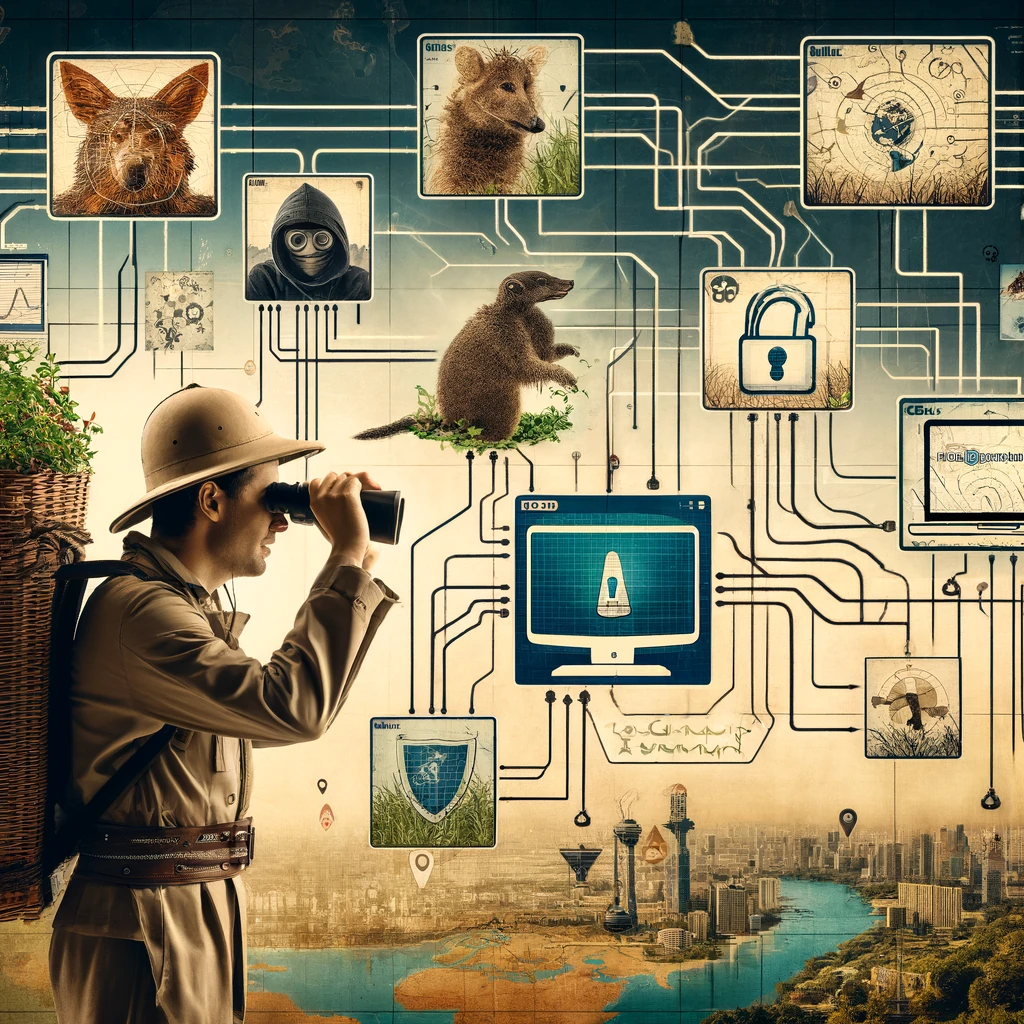
Exploring phishing threat intelligence from April 2024 - Image created by ChatGPT

Phishing Threat Intelligence April 2024

April 29, 2024

These are the phishing related stories I paid attention to in April 2024. Feel free to use these and share them with your own security teams.

 The NaurLegal Campaign Unveiled 

BlueVoyant's Threat Fusion Cell has exposed a new cyber attack campaign, dubbed ‘NaurLegal’, led by the notorious eCrime group Narwhal Spider. This campaign ingeniously exploits the trust in legal transactions by distributing malicious PDF files posing as invoices from reputable law firms. With filenames like "Invoice_[number]from[law firm name].pdf," these documents are crafted to bypass casual scrutiny and initiate malware infections. 

Key Insights: 

  • Tactic Exploitation: NaurLegal leverages the routine nature of legal document exchanges, using this as a vector to deploy malware, including sophisticated threats like WikiLoader and potentially IcedID. 

  • Infrastructure: The campaign operates through compromised WordPress sites for command and control (C2), a hallmark of Narwhal Spider’s modus operandi. 

  • Evolving Threat: Unlike previous attacks primarily targeting Italian entities, NaurLegal broadens its focus, indicating a strategic shift towards exploiting a wider array of organizational vulnerabilities. 


Google Ads Malware Alert for Security Professionals 

In a recent discovery by AhnLab Security Intelligence Center (ASEC), a sophisticated malware distribution campaign has been identified exploiting Google Ads' tracking feature. Dubbed by ASEC, this campaign cleverly disguises malware as popular groupware installers like Notion, Slack, and Trello, leveraging Google Ads to reach a broad audience. The exploitation of the Ads platform's vast user base and complex targeting options presents a notable security concern, highlighting the innovative strategies of cybercriminals to breach defenses. 

Key Campaign Insights: 

  • Malware Distribution: Attackers create or hijack Google Ads to distribute malware through tracking URLs hidden in legitimate-looking ads, leading unsuspecting users to download harmful executables. 

  • Targeted Malware: The campaign specifically uses malware-laden files with names mimicking reputable software installers to trick users into initiating downloads. 

  • Sophisticated Evasion Techniques: Upon execution, the malware contacts attacker-controlled servers to fetch additional malicious payloads, utilizing compromised domains and text-sharing sites for hosting. 

  • Payloads and Execution: The Rhadamanthys infostealer malware, fetched from these links, is then injected into legitimate Windows system files, enabling it to steal private data while avoiding detection. 


Security Alert: New Loader and Agent Tesla Campaign Detected 

SpiderLabs has identified a phishing campaign deploying Agent Tesla via a sophisticated new loader. Initiated via email attachments disguised as bank payment receipts, this campaign utilizes advanced obfuscation and encryption to deliver its malicious payload while evading detection. 

Key Insights:

  • Attack Vector: Phishing emails with attachments that trigger a complex infection chain to deploy Agent Tesla. 

  • Evasion Tactics: The loader showcases advanced evasion, including polymorphism and AMSI bypass techniques, to execute the payload stealthily. 

  • Agent Tesla Execution: Executes entirely in memory, focusing on data theft and utilizing SMTP for data exfiltration through compromised accounts. 


AI-Powered Malware Spreads Through Social Media Malvertising Campaigns 

This article from Bitdefender highlights a recent surge in information-stealing malware campaigns targeting social media users. 

Key Points: 

  • Attackers Exploit Popularity of AI Software: Cybercriminals are leveraging the rising interest in AI-powered image and video generators to distribute malware. 

  • Malicious Ads Impersonate Legitimate Software: Fake social media pages and sponsored ads mimic popular AI tools like Midjourney, Sora, and CapCut. 

  • Ads Trick Users into Downloading Malware: Clicking on these ads leads users to download malicious software disguised as official installers. 

  • Malware Steals Sensitive Information: The malware steals login credentials, browsing history, cookies, and even crypto wallet information. 

  • Rilide V4, Vidar, IceRAT, and Nova Stealer Used: The report identifies various information stealers used in these campaigns, including Rilide V4, Vidar, IceRAT, and Nova Stealer. 

  • Midjourney Most Targeted Platform: Midjourney, a popular AI image generation tool, was the most impersonated platform in this campaign. 


Attention Security Teams: Malware Spreads Through YouTube Video Game Cracks 

Threat actors are leveraging compromised YouTube accounts to distribute information stealers disguised as popular video game cracks. This campaign, detailed in a recent Proofpoint report, targets unsuspecting gamers, particularly younger audiences. 

  • Compromised Accounts: Legitimate and newly created YouTube accounts are being used to upload malicious videos. 

  • Deceptive Content: Videos advertise access to pirated software or game upgrades. Descriptions contain links that download malware upon clicking. 

  • Targeted Audience: The campaign exploits the desire to bypass paid features, likely appealing to younger gamers. 

Security Implications: 

  • Information stealers like Vidar, StealC, and Lumma Stealer can compromise user credentials and other sensitive data. 

  • Compromised accounts can be used to further distribute malware or host phishing attacks. 

  • Younger audiences may be less familiar with online safety best practices, increasing susceptibility. 

For further investigation: The Proofpoint report provides Indicators of Compromise (IOCs) to assist in identifying these malicious videos. 


ReliaQuest’s Annual Cyber-Threat Report: 2024 

According to the report: 

  • Phishing links or attachments were involved in 71% of all initial access phases of cyber attacks 

  • The top three MITRE ATT&CK techniques in attacks involved phishing or spear phishing 

  • Drive-by-compromise was used in 29% of attack 

  • QR code phishing saw a 51% increase in just one month – September – over the previous 8 months combined 


Android Malware Vultur Expands Its Capabilities 

A recent report by Fox-IT details the evolving capabilities of the Android malware Vultur. Key takeaways: 

  • New Functionality: Vultur now possesses features that enable remote interaction with a device's screen through Accessibility Services. 

  • Enhanced File Management: The malware can now download, upload, delete, install, and locate files on infected devices. 

  • Evasion Techniques: Vultur employs app impersonation and communication encryption to evade detection. 

These expanded capabilities pose a significant threat to Android users, as Vultur can now perform a wider range of malicious activities. 


Agent Tesla Targets US and AU Organizations: A Newsletter for Security Professionals 

A recent campaign by cyberespionage actors, nicknamed "Bignosa" and "Gods", has been targeting organizations in the United States and Australia. The attackers use phishing emails with topics related to purchasing goods and order delivery to distribute the Agent Tesla malware. Once installed, Agent Tesla can steal keystrokes and login credentials. 

Key takeaways: 

  • Malicious Mails: Phishing emails with seemingly legitimate topics are being used to lure unsuspecting victims. 

  • Agent Tesla: This malware steals keystrokes and login credentials, posing a significant threat to compromised systems. 

  • Stay Vigilant: Keeping software updated and exercising caution regarding unexpected emails are crucial for mitigating such attacks. 


New Download Threat: Latrodectus Emerges 

A new downloader malware called Latrodectus has emerged, posing a threat to system security. Two threat actors, TA577 and TA578, have been distributing Latrodectus, raising concerns about its potential reach. 

This malware functions as a downloader, capable of not only information theft but also installing additional malware, potentially escalating the attack. Security experts believe Latrodectus might be linked to the creators of IcedID, another malicious software. Key takeaways: 

  • Latrodectus's Reach: The involvement of multiple threat actors (TA577 and TA578) indicates a wider distribution network, increasing the potential for encountering this malware. 

  • Multi-faceted Threat: Latrodectus goes beyond information theft; its ability to install additional malware poses a serious risk of system compromise. 

  • Possible Connection to IcedID: The link to IcedID suggests a potentially sophisticated threat actor behind Latrodectus. 


New Malware Delivery Techniques on the Rise 

New research from Check Point reveals that cybercriminals are developing new methods to deliver malware. These techniques involve novel infection chains designed to bypass common security measures and deliver Remcos, a powerful Remote Access Trojan (RAT). 

The report also highlights the evolving tactics employed by attackers to exploit vulnerabilities. While Lockbit3 remains the most prevalent ransomware, Blackbasta has worryingly climbed the ranks, entering the top three. 

Key takeaways: 

  • Cybercriminals are developing new methods to deliver malware, employing novel infection chains to bypass common security measures. 

  • Remcos, a powerful Remote Access Trojan (RAT), is being delivered through these new techniques. 

  • Lockbit3 remains the most prevalent ransomware, but Blackbasta has risen in prominence. 

  • FakeUpdates is the most common malware encountered. 


Tycoon 2FA: Phishing As A Service Evolving to Bypass MFA 

MFA Fatigue? Tycoon 2FA Raises Concerns 

A new variant of the Tycoon 2FA phishing kit is making waves for its effectiveness in bypassing multi-factor authentication (MFA). This phishing-as-a-service (PhishingaaS) tool targets Microsoft 365 credentials and utilizes a technique known as adversary-in-the-middle (AiTM) to steal session cookies, granting access even with MFA enabled. 

Key Points for Security Teams: 

  • Active Threat: First observed in August 2023, Tycoon 2FA has become a prevalent threat due to its ease of use and affordability. 

  • MFA Bypass: The phishing kit steals Microsoft 365 session cookies, allowing attackers to bypass MFA and gain access to compromised accounts. 

  • Stealthier Than Ever: Recent updates enhance the kit's stealth capabilities, potentially reducing detection by security products. 

  • Widespread Impact: Sekoia has identified over 1200 domain names associated with Tycoon 2FA infrastructure since its release. 


Alert: Cisco Duo's Multifactor Authentication Service Compromised 

Cisco Duo has issued a warning to its customers following a breach involving a third-party telephony service provider. This incident, which unfolded on April 1, 2024, involved the unauthorized access of SMS logs due to a social engineering cyberattack. 

Key Details: 

  • Breach Dynamics: Threat actors gained access by using compromised employee credentials at a third-party provider that handles SMS and VOIP services for Cisco Duo's multifactor authentication (MFA). 

  • Data Compromised: The breach resulted in the unauthorized download of message logs for SMS messages sent between March 1, 2024, and March 31, 2024. These logs included phone numbers, carriers, country and state data, and other metadata like the date, time, and type of messages. 

  • No Message Content Exposed: It's important to note that the content of the messages was not exposed in the breach. 

Customer Advisory: Cisco Duo has advised all impacted users to notify individuals whose information was compromised and to stay alert for potential phishing attacks leveraging the stolen data. 


Tech Giants Lead Phishing Charge: Microsoft, Google Top Q1 Brand Impersonation 

Phishing remains a top threat, with technology brands the most impersonated. 

A recent report by Check Point Research (CPR) paints a concerning picture of the evolving phishing landscape. Their analysis of brand phishing attempts in Q1 2024 reveals a worrying trend: technology giants are the most targeted sectors. 

Key Findings: 

  • Microsoft Maintains Top Spot: Microsoft continues to be the most impersonated brand in phishing attacks, accounting for a staggering 38% of all attempts in Q1 2024. 

  • Google Makes Gains: Google rose to the second-place position, capturing 11% of phishing attempts – a significant increase from its previous third-place ranking. 

  • Tech Sector Dominates: Technology remains the most impersonated industry, likely due to its prevalence in corporate environments and the potential for lucrative access to company assets through stolen credentials. 

Why Tech Brands? 

Cybercriminals often target technology brands for several reasons: 

  • Widespread Use: These brands are familiar and widely used, making them a believable target for phishing attempts. 

  • Access to Sensitive Data: Gaining access to compromised accounts in these platforms can grant attackers access to sensitive corporate data or financial information. 

  • Remote Work Reliance: The increased use of cloud-based services and remote work environments expands the potential attack surface for tech-focused phishing campaigns. 


Beware of Sophisticated Phishing Attacks Targeting Help Desks! 

Alert! A recent report from the Department of Health and Human Services (HHS) warns of a rise in sophisticated social engineering attacks targeting IT help desks within the healthcare sector. 

Here's what you need to know: 

  • Impersonation Tactics: Attackers are making phone calls to help desks, impersonating employees (often in financial roles) and claiming they require urgent assistance. 

  • Credentials at Risk: These imposters are armed with convincing details about the targeted employee, including the last four digits of their Social Security number and corporate ID. This information allows them to bypass initial security checks. 

  • Potential for Data Breaches: The ultimate goal of these attacks is to steal login credentials or trick help desk personnel into granting access to sensitive systems and data. 


Malvertising Campaign Targets IT Teams with "MadMxShell" Backdoor 

Threat actors are leveraging malvertising campaigns to distribute a previously unseen backdoor dubbed "MadMxShell." This campaign targets IT security and network administration teams by spoofing legitimate IP scanner software websites. 

Key Details: 

  • Attack Chain: The threat actors register typosquatted domain names resembling popular IP scanner software. 

  • Google Ads Abuse: They then exploit Google Ads to push these malicious websites to the top of search engine results pages (SERPs) for relevant keywords used by IT professionals searching for IP scanner tools. 

  • Delivery of Backdoor: Unsuspecting victims who visit the spoofed websites are redirected to download links that deliver the MadMxShell backdoor. 

Technical Analysis: 

  • MadMxShell Backdoor: This backdoor offers remote access capabilities, allowing attackers to gain unauthorized control over compromised systems. 

  • Limited Information: While details about MadMxShell's functionalities are scarce, the report suggests it possesses file system manipulation and process execution abilities. 


Shift in Attack Tactics: Vulnerability Exploitation on the Rise 

Phishing Declines, Zero-Days Soar 

A recent report by Mandiant indicates a significant shift in cyberattacker tactics. Vulnerability exploitation has overtaken phishing as the primary method for gaining initial network access. Researchers found that in 2023, vulnerabilities were exploited in 38% of intrusions, a 6% increase over 2022. Phishing attempts, while still the second most common initial infection vector, dropped from 22% to 17% over the same period. 

The report also highlights a sharp rise in the exploitation of zero-day vulnerabilities, previously unknown flaws in software, by 56% year-over-year. Chinese cyber espionage groups were found to be the most active users of zero-days, while financially motivated attackers continue to leverage these vulnerabilities to steal financial data. 

Key Takeaways 

  • Patching vulnerabilities promptly is crucial to preventing initial network access by attackers. 

  • Organizations should prioritize vulnerability management and invest in threat detection solutions capable of identifying zero-day exploits. 

  • While phishing remains a threat, user awareness training should be supplemented with additional security measures to mitigate the evolving tactics of cybercriminals. 


Ransomware on the Rise: More Groups, More Victims 

Ransomware is back with a vengeance. A GRIT report shows a worrying 20% increase in victims in Q1 2024 compared to the same period last year. This coincides with a surge in active ransomware groups, jumping from 29 to 45 (a 55% increase). BlackBasta and Play are new major players, joining the persistent LockBit. 

Brutality and Distribution Mark New Era 

These groups are targeting critical infrastructure like hospitals, highlighting a ruthless shift in tactics. Additionally, RaaS groups are recruiting affiliates, creating a more distributed threat landscape. 

Key Takeaways: 

  • Patching and Detection are Critical: Shore up defenses by patching vulnerabilities and implementing security solutions. 

  • Beyond Phishing: Non-phishing attacks are the new norm, so vulnerability management is key. 

  • Backups are Essential: Regular backups ensure a swift recovery from an attack. 

  • Stay Ahead of the Curve: Keeping informed about the evolving threat landscape allows for proactive defense. 


Phishing Attacks on the Rise: AI-powered Threat Landscape 

A recent report by AI-ThreatLabz highlights a significant increase in phishing attacks, with a staggering 58% rise observed in 2024 compared to the previous year. This surge is attributed to the growing adoption of Artificial Intelligence (AI) by attackers, enabling them to craft highly personalized and believable phishing campaigns. 

Key Takeaways 

  • Phishing Attacks are Soaring: Phishing remains a major threat, with a sharp increase in incidents this year. 

  • AI-powered Attacks: Attackers are leveraging AI to create more believable and personalized phishing emails, making them harder to detect. 

  • Zero Trust Security is Key: Traditional security approaches may not be sufficient. Zero trust security principles can help mitigate the risk of phishing attacks by continuously verifying access requests. 


In News Tags Phishing, Threat Intelligence, Newsletter
Comment

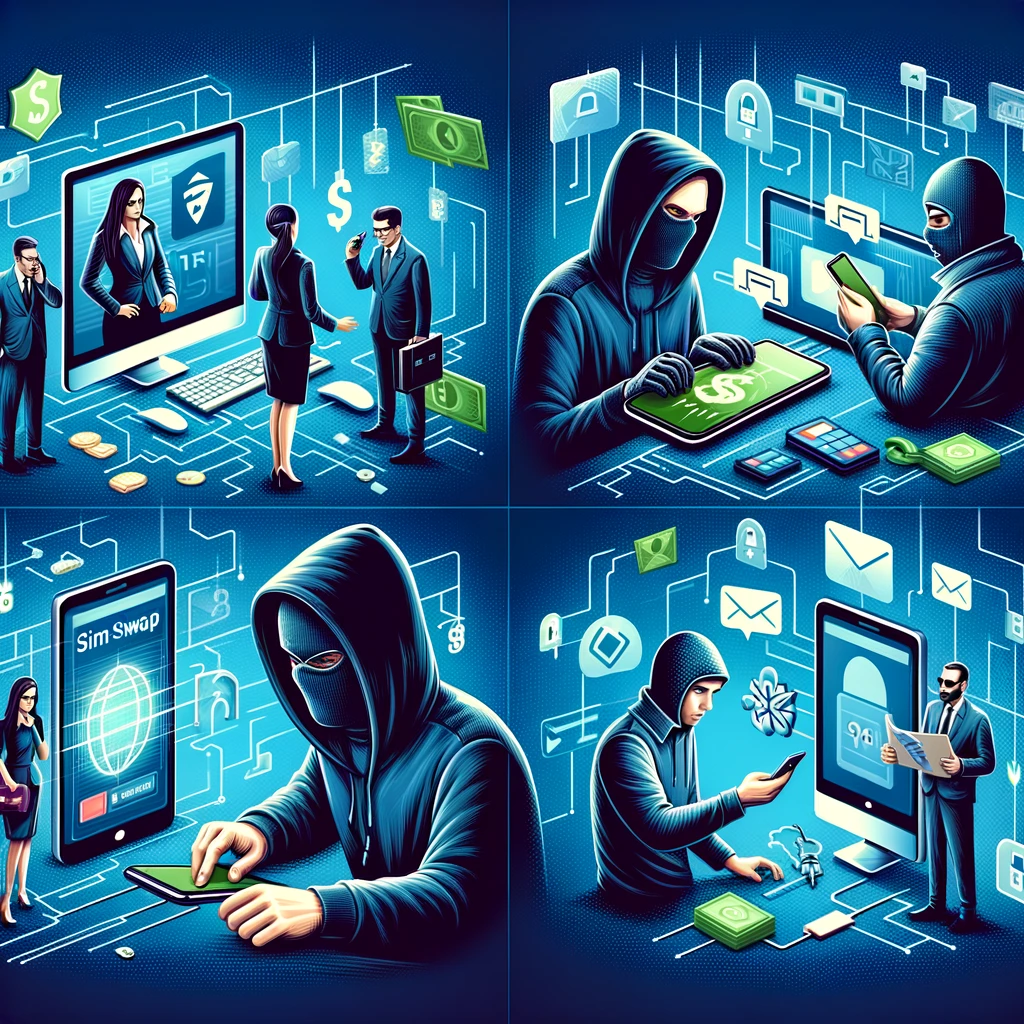
FBI PSA on Social Engineering techniques - Create by ChatGPT

FBI Warning: Rising Social Engineering Threats Targeting Personal and Corporate Accounts 

April 12, 2024

This is a timely article I put together for internal distribution as part of a Security Awareness program. Feel free to grab and use as part of your Security Awareness program.

Link: https://www.ic3.gov/Media/Y2024/PSA240411  

The Federal Bureau of Investigation (FBI) has issued an alert regarding an increase in social engineering attacks that cybercriminals are using to compromise personal and corporate accounts. The techniques identified include impersonating employees, SIM swap attacks, call forwarding, simultaneous ringing, and phishing—each designed to manipulate victims into divulging sensitive information. 

Social Engineering Techniques: 

  • Employee Impersonation: Cybercriminals pose as company employees to trick IT or helpdesk staff into granting them network access. 

  • SIM Swapping: Attackers deceive mobile carriers to transfer a victim’s phone number to a device they control, potentially bypassing multi-factor authentication to access financial and other secure accounts. 

  • Call Forwarding and Simultaneous Ring: This method involves forwarding a victim’s calls to the attacker’s number, again potentially circumventing multi-factor authentication. 

  • Phishing: Phishing emails mimic legitimate institutions to solicit sensitive information, such as login credentials and personal identification numbers. 

Protection Recommendations: 

  • Personal Security Measures: 

  • Avoid responding to unsolicited requests for personal information. 

  • Set unique passwords for voicemail and mobile accounts. 

  • Contact your mobile carrier to block unauthorized SIM changes and call forwarding. 

  • Regularly check your account activity for any unauthorized changes. 

  • Use complex passwords and avoid posting personal data online. 

  • Corporate Security Measures: 

  • Pay attention to email banners for messages coming from external sources. 

  • Use non-email based multi-factor authentication. 

  • Report any phishing and social engineering attempts. 

Reporting and Additional Actions:

If you believe you are a victim of a social engineering attack: 

  • Contact your service providers to secure your accounts. 

  • Report the incident to the FBI’s Internet Crime Complaint Center at www.ic3.gov for further investigation. 

  • Reach out to [INSERT SECURITY INBOX] if you suspect any of these social engineering techniques are being used at work. 

This alert underscores the need for heightened vigilance and proactive measures to safeguard against sophisticated social engineering tactics that are increasingly prevalent in today’s digital landscape. We thank you for helping keep [COMPANY] secure.  

In News Tags social engineering, Security Awareness, PSA, FBI
Comment

Exploring phishing March 2024

Phishing Threat Intelligence March 2024

April 3, 2024

Tax Season Phishing Campaigns - Targeting New Tactics 

Microsoft Threat Intelligence (MSTI) has uncovered a rise in phishing campaigns targeting taxpayers during the tax season. These campaigns leverage social engineering tactics to trick victims into revealing sensitive information or clicking on malicious links. 

Targets and Techniques: 

  • High-Risk Groups: New taxpayers, small business owners, and older adults are identified as the most vulnerable demographics. 

  • Phishing Methods: Emails disguised as legitimate tax documents or communications from employers are common methods. The emails may contain urgency or use scare tactics to pressure recipients into clicking malicious links or opening attachments containing malware. 


Iranian Threat Actor TA450 Shifts Tactics in Latest Campaign 

Summary: A recent campaign by Iranian threat actor TA450 has been detected leveraging a new technique. 

Previous Tactics: Historically, TA450 has targeted Israeli users via email campaigns containing malicious links directly embedded within the email body. These links typically led to file-sharing sites that, when clicked, downloaded remote access trojans (RATs). 

New Development: Proofpoint researchers observed a shift in TA450's tactics. The latest campaign utilizes PDF attachments containing malicious links. The social engineering lure involves emails disguised as pay slips, likely designed to trick victims into opening the attachments. 

Security Implications: This new delivery method makes TA450's emails appear more legitimate, potentially increasing the success rate of these phishing attacks. Security professionals should be aware of this evolving technique and update email security filters accordingly. 


New Trojan: VCURMS Discovered by Fortinet 

Fortinet researchers have uncovered a new trojan named VCURMS. This trojan leverages obfuscation techniques to bypass traditional antivirus detection and establish persistence on compromised systems. 

VCURMS Capabilities: 

  • Information Theft: VCURMS can steal sensitive information from infected devices. 

  • Remote Access: The trojan grants remote access to attackers, enabling them to control the compromised system. 


Delivery Method: 

VCURMS primarily spreads through phishing campaigns. Attackers target victims with emails containing malicious attachments. Once a user opens the attachment, the trojan infects the system. 


Zscaler ThreatLabz Releases New Report on AI Security Trends and Risks 

A recent Zscaler report, "New AI Insights: Exploring Key AI Trends and Risks ThreatLabz 2024 AI Security Report," delves into the evolving landscape of AI security. Key takeaways for security professionals include: 

  • Soaring Enterprise AI Adoption: The report highlights a significant increase (595%) in enterprise adoption of AI technologies. This presents both opportunities and challenges for security teams. 

  • Balancing Benefits and Risks: While AI offers significant advantages, it also introduces new security risks. The report emphasizes the need for a well-defined security posture to mitigate these risks. 

  • Heightened AI-Driven Threats: Zscaler ThreatLabz observed an 18.5% rise in blocked AI traffic, indicating a rise in malicious actors leveraging AI. 

  • Security Best Practices: The report outlines essential security practices for securing AI deployments. These include data loss prevention (DLP) controls and granular access controls to safeguard sensitive data and prevent unauthorized access. 

In News Tags Newsletter, Phishing, Threat Intelligence
Comment

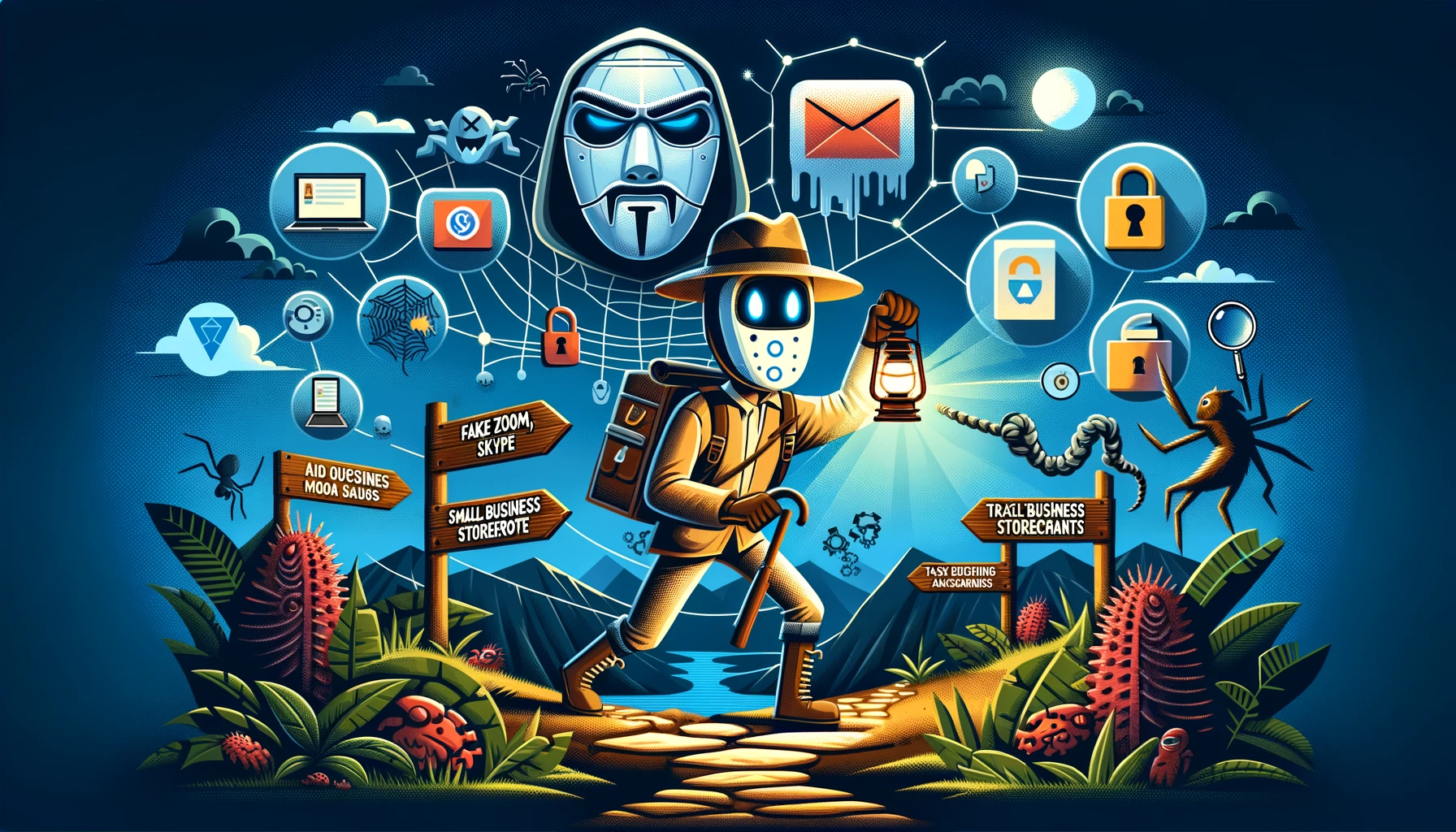
Exploring the newsletter below - Image created with the help of ChatGPT

Security Awareness Newsletter March 2024

April 1, 2024

This is a security newsletter I’ve put together as part of our security awareness program. This leans more towards healthcare and news items that are more general in nature. I’ll have a more technical focused newsletter later this week that’s targeted at security teams. Feel free to take this newsletter and use it internally as part of your security awareness program.

The Great Zoom-Skype-Google Masquerade: Beware of digital doppelgängers. Fake Zoom, Skype, and Google Meet sites are the latest traps set by cyber tricksters.  These spoofed meetings can trick users into downloading harmful software that compromises their computer. Ensure you’re clicking on the real deal to keep those malware masqueraders at bay. Beware of QR codes that will try to steal credentials as part of this type of attack. 

Beware of fake websites mimicking popular brands!: Typosquatting attacks are surging, and cybercriminals are exploiting user mistakes to steal login credentials and spread malware. Typosquatting is where an attacker registers a similar domain to one a person is familiar with. This increases the chance a malicious link will be clicked. 

Small Businesses Hit Hard by Cybercrime: Some social engineering techniques highlighted in the article include: malicious ads; attackers starting a conversation before trying to get the person to take an action; and the move to PDF attachments. These types of attacks help launch ransomware against small businesses. 

Beware of AI-Driven Voice Cloning in Vishing Scams: The Better Business Bureau (BBB) has issued a warning about the rise of voice phishing (vishing) scams utilizing AI-driven voice cloning technology. Scammers can now mimic voices convincingly with just a small audio sample, leading to fraudulent requests for money transfers or sensitive information. Tips to Stay Safe: 

  • Pause Before Acting: Resist the urge to act immediately on unexpected requests, even if they seem to come from a familiar voice. 

  • Verify Directly: Contact the supposed caller using a known, saved number—not the one provided in the suspicious call. 

  • Question the Caller: Ask specific questions that an impostor would struggle to answer correctly. 

  • Secure Your Accounts: Implement multi-factor authentication and verify any changes in information or payment requests. 

Update on Change Healthcare Cyberattack Recovery: Change Healthcare is on track to bring its systems back online by mid-March following a cyberattack that has caused widespread disruption since February 21. The cyberattack has significantly affected healthcare operations nationwide, with providers facing difficulties in payment processing, insurance verification, and clinical data exchange. This highlights why security awareness is so important. Identifying and reporting security threats to the organization is the responsibility of everyone. 

Beware of Tax Season Scams Targeting SMBs and Self-Employed Individuals: As tax season unfolds, a new scam has surfaced targeting small business owners and self-employed individuals. Scammers are using emails to lure victims to a fraudulent site, claiming to offer IRS EIN/Federal tax ID number applications. However, this service is free through the IRS, and the scam site is designed to steal personal information, including social security numbers, creating a significant risk for identity theft and fraud. A Microsoft report identifies green card holders, small business owners, new taxpayers under 25, and older taxpayers over 60 as prime targets for these scams. Check Point has some example phishes in their tax scam article. 

Apple Users Beware: "MFA Bombing" Phishing Attacks on the Rise: Leveraging Apple's password reset system attackers can bombard users with password reset prompts. If a person clicks "allow" on one of the prompts, the attackers can gain access to the user's account. The attackers may also call the person pretending to be Apple support. Some ways to protect yourself from this attack include not clicking on any of the prompts and contacting Apple directly if you receive a suspicious call. 

In News Tags newsletter, Security Awareness, social engineering, Typosquatting, AI, Healthcare, tax fraud, Multi-Factor Authentication
Comment

Midnight Blizzard and Microsoft - Created with ChatGPT

Microsoft on the Midnight Blizzard Incident

January 29, 2024

One of the things I enjoy doing is digging into reports on high profile security breaches. I’ve presented on the supply-chain attack of SolarWinds and HAFNIUM’s breach of Microsoft Exchange for ColaSec. We’ve got a new one with Microsoft releasing some details on their incident with Midnight Blizzard. There are some details but it’s more of spin article on how to defend yourself against nation-state actors. Alex Stamos has provided some scathing commentary on the piece.

What we do know is that initial access is due to a password spray attack on a legacy non-production test tenant the account compromised did not have multifactor authentication enabled (MFA). The attackers then used an OAuth application in the test environment that had access to the corporate environment. A new user account with elevated permissions was created and used to get into the O365 Exchange Online. From there they compromised a variety of email accounts looking for information on their own group.

The rest of the piece is meant to be a guide on how to proactively secure and identify this type of attack. There isn’t any detail on how the discovered Midnight Blizzard or any indicators of compromise (IoC). They did provide some generic hunting queries to be run in Microsoft Defender XDR.

I would expect to get more details later as we’re probably getting more information now than we would have in the past due to the new SEC rules requiring earlier reporting of security incidents. We also may have never heard of this incident without the rules. One thing is certain, we’ll see more of these types of breaches in the news cycle this year with a similar level of detail.

This post first appeared on Exploring Information Security.

Subscribe

Sign up with your email address to receive news and updates.

We respect your privacy.

Thank you!
In News Tags Microsoft, Midnight Blizzard, Alex Stamos
Comment
← Newer Posts

Latest PoDCASTS

Featured
May 5, 2026
[RERELEASE] What is the perception of information security - part 2
May 5, 2026
Read more →
May 5, 2026
April 28, 2026
[RERELEASE] What is the perception of information security - part 1
April 28, 2026
Read more →
April 28, 2026
April 21, 2026
Exploring the Quantum Horizon: Why We Need CBOMs Today
April 21, 2026
Read more →
April 21, 2026
April 14, 2026
Exploring the Risks of Model Context Protocol (MCP) with Casey Bleeker
April 14, 2026
Read more →
April 14, 2026
April 7, 2026
From Combat Zones to Corporate Lobbies: A Guide to Physical Security with Josh Winter
April 7, 2026
Read more →
April 7, 2026
March 31, 2026
[RERELEASE] What is a SIEM?
March 31, 2026
Read more →
March 31, 2026
March 24, 2026
[RERELEASE] What is threat modeling?
March 24, 2026
Read more →
March 24, 2026
March 17, 2026
[RERELEASE] What is cryptography?
March 17, 2026
Read more →
March 17, 2026
March 10, 2026
[RERELEASE] What is a Chief Information Security Officer (CISO)
March 10, 2026
Read more →
March 10, 2026
March 3, 2026
Exploring The Bad Advice Cybersecurity Professionals Provide to the Public
March 3, 2026
Read more →
March 3, 2026

Powered by Squarespace